
The Price of Becoming
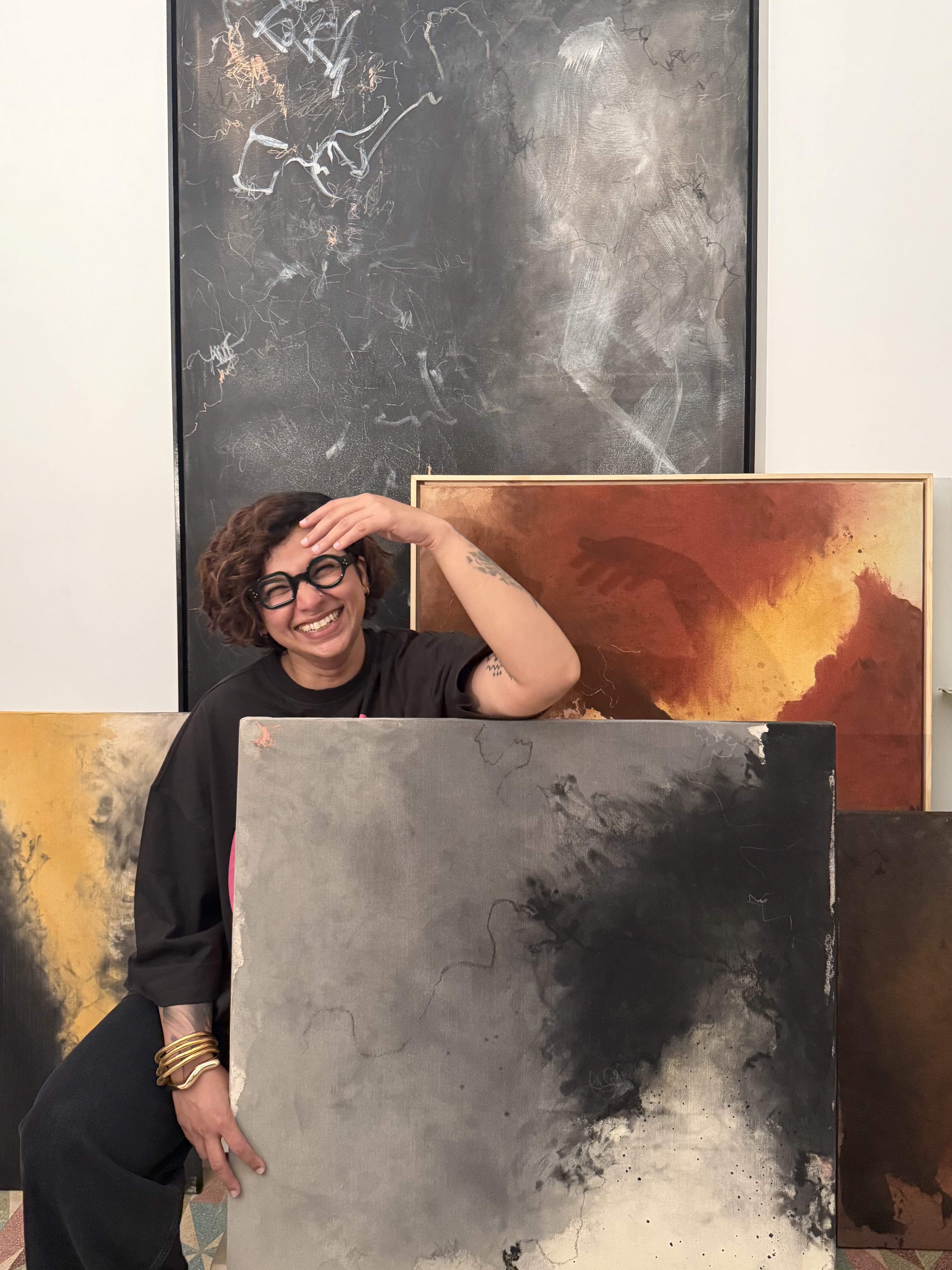
People think pivots happen from confidence. But they happen from inner unrest. From repeatedly ignoring a calling until it becomes louder than comfort.
As human beings, we always want more. And as an artist, you will forever seek your calling.Some find it early on. Many know what it is, but never go after it. And some inch forward slowly, making pitstops in different careers along the way.
I made a couple of pitstops myself. And every new one demanded a sacrifice of my old self. You have to face the fear of not making money, face rejection, and deal with self-doubt that can absolutely consume you.
You will mourn your old self.
For me, calligraphy wasn’t just work. It was my name, my recognition, my stability, my relationship with the world I had created. And wanting to answer my calling and become a contemporary artist sounded exciting from the outside. But internally, I felt like:
“What if I lose everything I built?”
“What if people don’t value me anymore?”
“What if I’m not actually good at this?”
“What if I fail?”
Well, that is grief.
And honestly, no one talks enough about how depressing transitions can be. Not because the new path is wrong, but because your nervous system is trying to survive the “death” of a familiar version of yourself.
These were the five stages of my grief, and they lasted almost two years.
1. Denial
“Maybe I can do both forever.”
“Maybe this feeling will go away.”
2. Anger
I was frustrated at clients, at things going wrong at work, at the damn algorithms, at my hand and the pain and my high expectations, and most of all at myself for wanting change.
3. Bargaining
“Maybe I’ll paint… but only once in a while.”
“Maybe I should wait to show my work until I’m more successful.”
4. Depression
The hardest phase. The old identity no longer fits, but the new one hasn’t fully formed yet. This inbetween space lasted almost a year. I felt empty, lonely, and terrified to a point where I wanted to give up everything, including myself.
5. Acceptance
Not completely. Not with certainty. It’s more internal than that. It feels like a quiet calm enveloping you. Like somewhere deep down, you know you will be okay. Acceptance doesn’t suddenly remove fear. It just removes resistance.
I look at this as a sacrifice. Sacrificing my old life, my comfortable life, to chase my calling, my dream. It may look impulsive to you. But it wasn’t for me. It took me two years to wrestle with it, long enough to understand the cost.
And I still chose to become.


Comments